Dos and Don’ts for a Doctor’s Office Fax Cover Sheet
Dos
Include complete sender and recipient details such as name, fax number, phone number, and office information.
Add a confidentiality notice to protect sensitive medical information.
Verify the recipient’s fax number before sending any patient documents.
Mention the total number of pages to ensure the fax is received correctly.
Keep the cover sheet professional and easy to read for quick identification.
Include a clear subject line describing the purpose of the fax.
Double-check documents before transmission to avoid missing pages or errors.
Don’ts
Don’t include unnecessary patient details on the fax cover page.
Don’t send medical records without confirming the recipient.
Don’t use unclear or incomplete contact information.
Don’t leave confidential faxes unattended after printing.
Don’t share patient information with unauthorized recipients.
Don’t forget to check the fax confirmation report after sending.
Don’t use outdated templates without reviewing privacy requirements.
Tip: A well-prepared Doctor’s Office Fax Cover Sheet helps improve document security, reduces faxing mistakes, and supports better healthcare communication.
Whether you are sending patient documents to another healthcare provider, insurance company, or medical department, these professional fax cover sheet templates help reduce delivery errors and maintain privacy. Choose a suitable medical fax cover sheet template to create a secure and professional first page for every fax transmission.
Dos and Don’ts for a Doctor’s Office Fax Cover Sheet
Dos
Include complete sender and recipient details such as name, fax number, phone number, and office information.
Add a confidentiality notice to protect sensitive medical information.
Verify the recipient’s fax number before sending any patient documents.
Mention the total number of pages to ensure the fax is received correctly.
Keep the cover sheet professional and easy to read for quick identification.
Include a clear subject line describing the purpose of the fax.
Double-check documents before transmission to avoid missing pages or errors.
Don’ts
Don’t include unnecessary patient details on the fax cover page.
Don’t send medical records without confirming the recipient.
Don’t use unclear or incomplete contact information.
Don’t leave confidential faxes unattended after printing.
Don’t share patient information with unauthorized recipients.
Don’t forget to check the fax confirmation report after sending.
Don’t use outdated templates without reviewing privacy requirements.
Tip: A well-prepared Doctor’s Office Fax Cover Sheet helps improve document security, reduces faxing mistakes, and supports better healthcare communication.
Whether you are sending patient documents to another healthcare provider, insurance company, or medical department, these professional fax cover sheet templates help reduce delivery errors and maintain privacy. Choose a suitable medical fax cover sheet template to create a secure and professional first page for every fax transmission.
Dos and Don’ts for a Doctor’s Office Fax Cover Sheet
Dos
Include complete sender and recipient details such as name, fax number, phone number, and office information.
Add a confidentiality notice to protect sensitive medical information.
Verify the recipient’s fax number before sending any patient documents.
Mention the total number of pages to ensure the fax is received correctly.
Keep the cover sheet professional and easy to read for quick identification.
Include a clear subject line describing the purpose of the fax.
Double-check documents before transmission to avoid missing pages or errors.
Don’ts
Don’t include unnecessary patient details on the fax cover page.
Don’t send medical records without confirming the recipient.
Don’t use unclear or incomplete contact information.
Don’t leave confidential faxes unattended after printing.
Don’t share patient information with unauthorized recipients.
Don’t forget to check the fax confirmation report after sending.
Don’t use outdated templates without reviewing privacy requirements.
Tip: A well-prepared Doctor’s Office Fax Cover Sheet helps improve document security, reduces faxing mistakes, and supports better healthcare communication.
Whether you are sending patient documents to another healthcare provider, insurance company, or medical department, these professional fax cover sheet templates help reduce delivery errors and maintain privacy. Choose a suitable medical fax cover sheet template to create a secure and professional first page for every fax transmission.
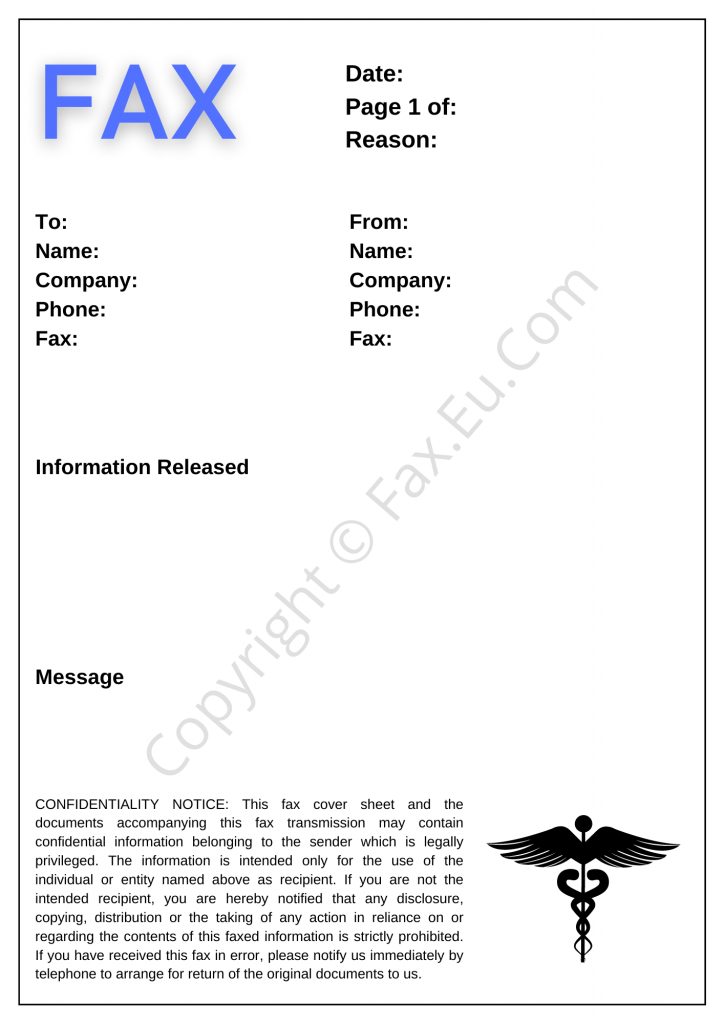
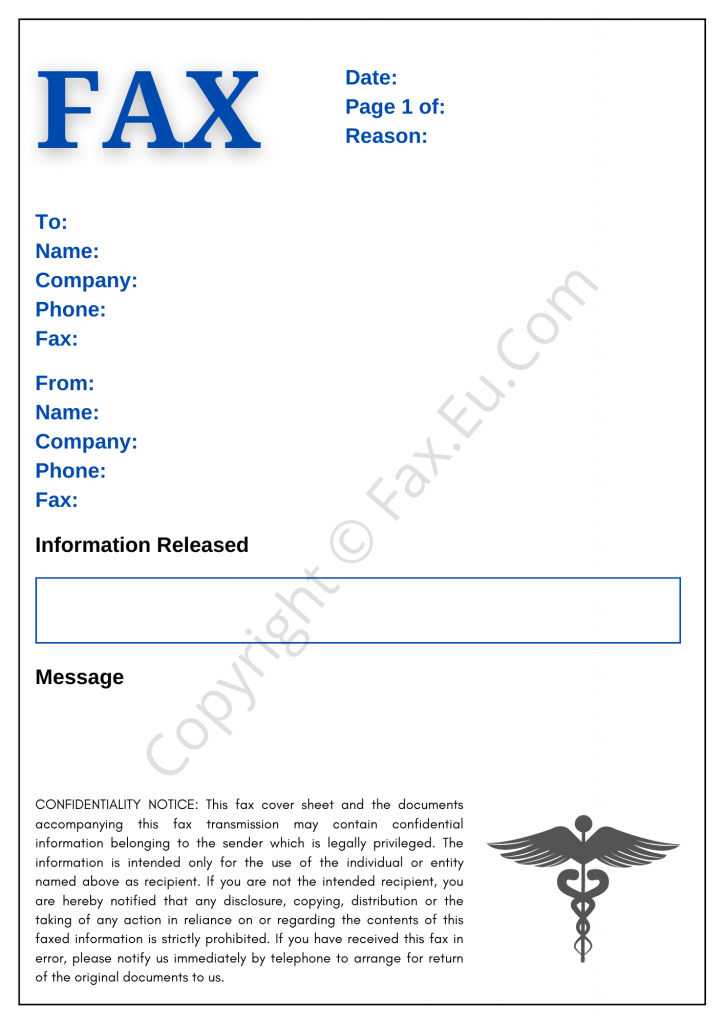
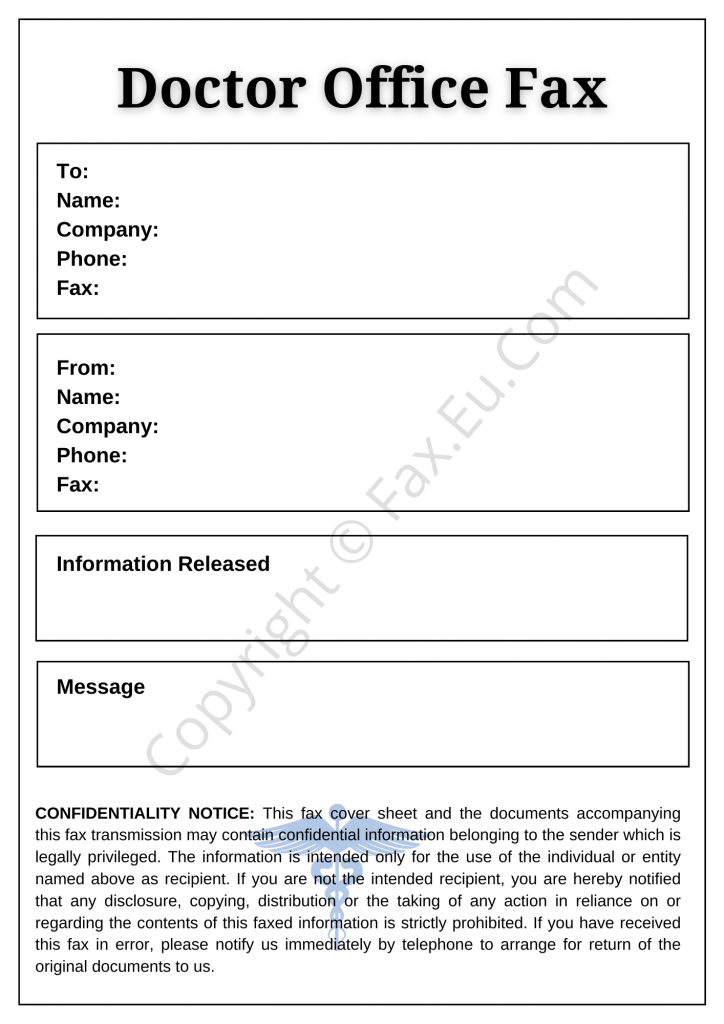
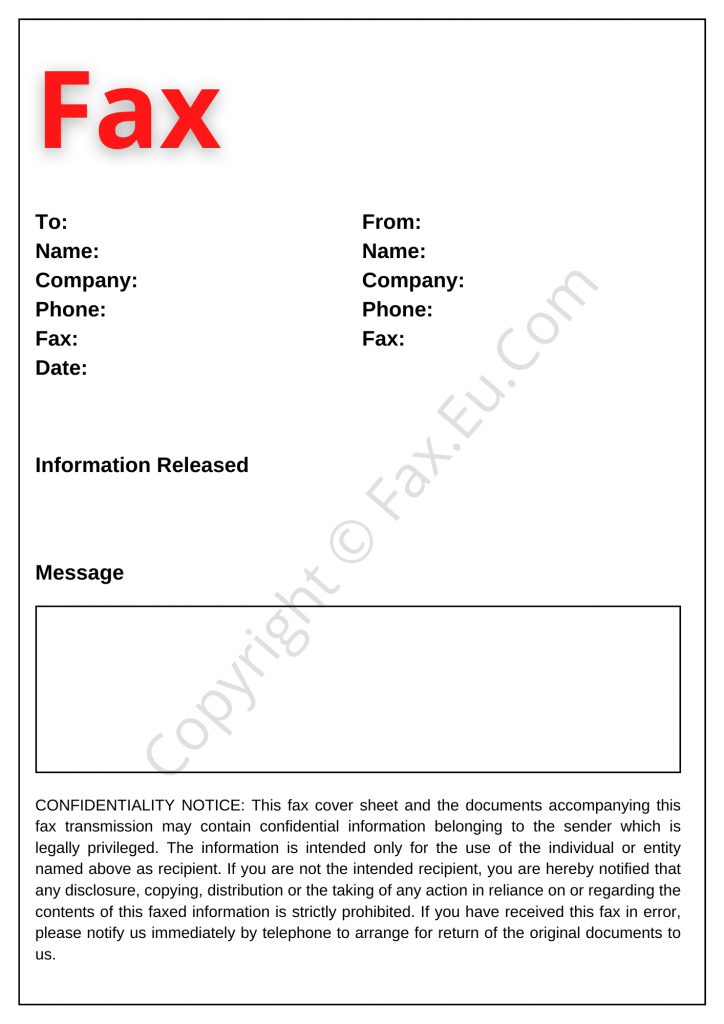
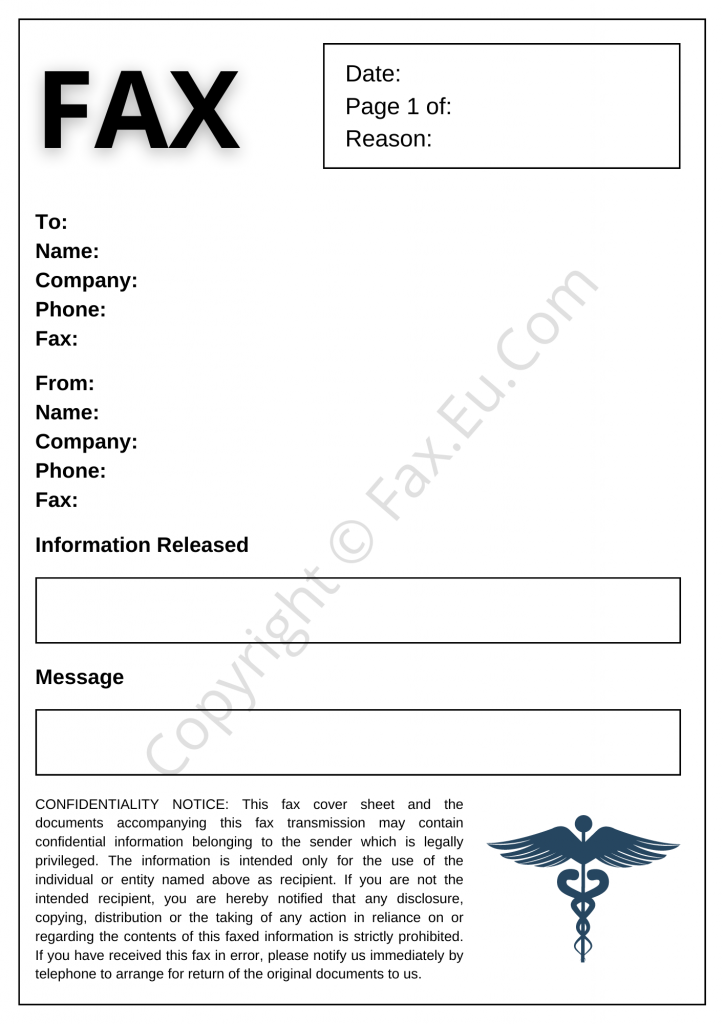
Doctor’s Office Fax Cover Sheet – If you are sending out a fax from the doctor’s office, it might contain critical medical documents and thus this must have separate label in the fax cover sheet being used. To cater to this very purpose, we have designed few fax cover sheet templates that are specially meant for doctors’ offices and can be used easily while sending critical faxes.
Dos and Don’ts for a Doctor’s Office Fax Cover Sheet
Dos
Include complete sender and recipient details such as name, fax number, phone number, and office information.
Add a confidentiality notice to protect sensitive medical information.
Verify the recipient’s fax number before sending any patient documents.
Mention the total number of pages to ensure the fax is received correctly.
Keep the cover sheet professional and easy to read for quick identification.
Include a clear subject line describing the purpose of the fax.
Double-check documents before transmission to avoid missing pages or errors.
Don’ts
Don’t include unnecessary patient details on the fax cover page.
Don’t send medical records without confirming the recipient.
Don’t use unclear or incomplete contact information.
Don’t leave confidential faxes unattended after printing.
Don’t share patient information with unauthorized recipients.
Don’t forget to check the fax confirmation report after sending.
Don’t use outdated templates without reviewing privacy requirements.
Tip: A well-prepared Doctor’s Office Fax Cover Sheet helps improve document security, reduces faxing mistakes, and supports better healthcare communication.
Whether you are sending patient documents to another healthcare provider, insurance company, or medical department, these professional fax cover sheet templates help reduce delivery errors and maintain privacy. Choose a suitable medical fax cover sheet template to create a secure and professional first page for every fax transmission.